 EN
EN CN
CN

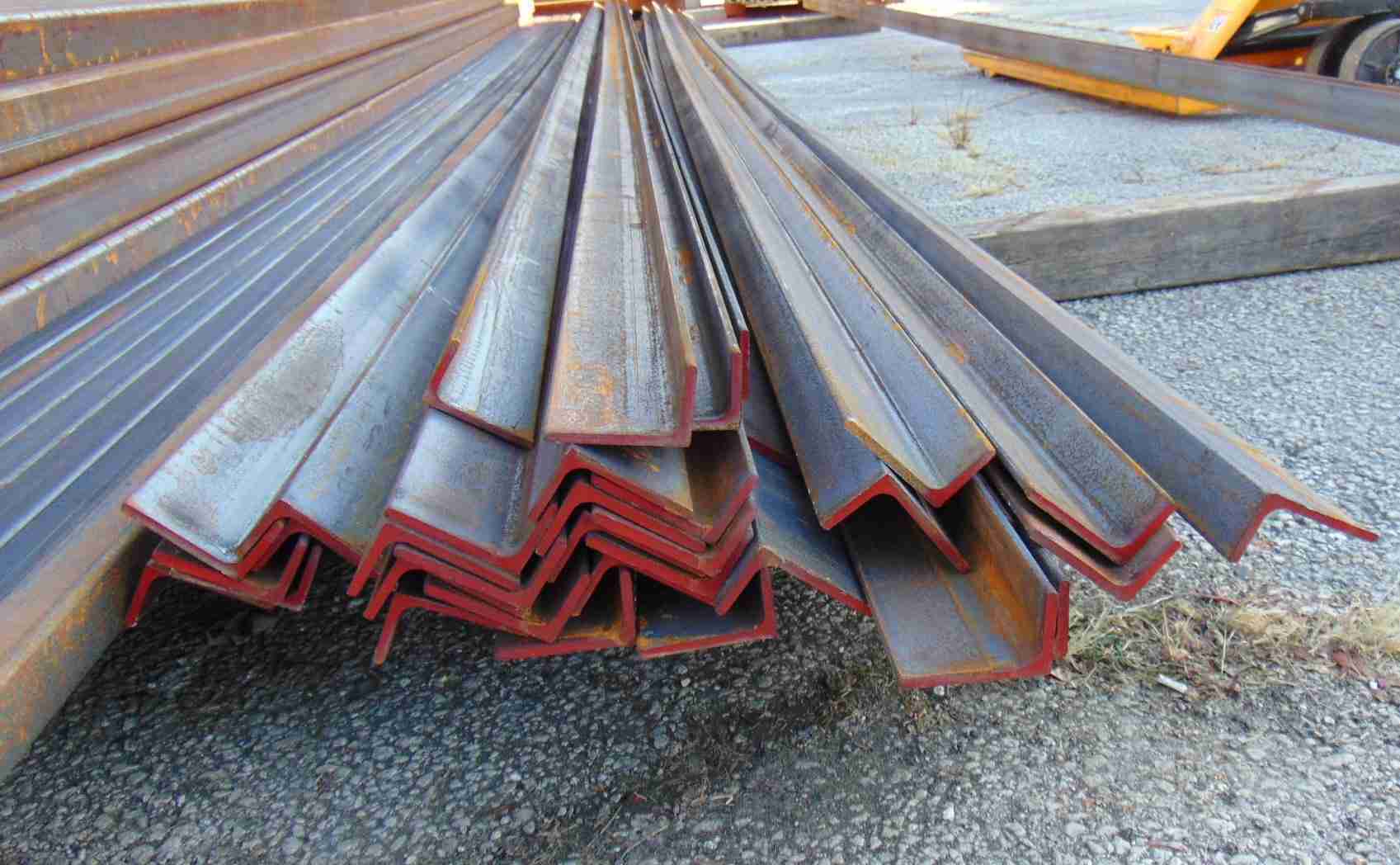
Angles, the L-shaped metal profiles commonly used in construction, play a crucial role in providing strength and stability to structures. These versatile components are essential in beams, frames, and other load-bearing elements, enabling efficient weight distribution and support. By understanding the engineering principles and key characteristics of angles, we can appreciate their significance in modern engineering.
Engineering Principles of Angles
Angles adhere to fundamental engineering principles that contribute to their effectiveness in various applications. Load distribution is a key aspect, as angles are designed to evenly disperse weight and forces acting on a structure. This even distribution helps to maintain structural integrity and prevents concentrated stress that could lead to failure.
Another important principle is the ability of angles to resist bending and torsional forces. The L-shaped configuration inherently provides resistance to bending, making it suitable for use in beams and frames where such forces are prevalent. Additionally, the geometry of angles enhances their resistance against torsional stresses.
Material selection is also crucial in the engineering of angles. Factors such as strength, durability, and specific application requirements are carefully considered to ensure that the chosen materials meet the demands of the environment in which they will be used.
Key Characteristics of Angles
Several key characteristics make angles a foundational component in modern engineering and construction practices:
L-Shaped Profile
The L-shaped profile of angles is a distinguishing feature that provides exceptional strength and stability. The two legs meeting at a 90-degree angle create a strong structure capable of efficiently bearing and distributing weights. This simplicity of design allows for easy integration into various structural configurations.
Resistance to Bending
The natural resistance to bending forces exhibited by angles is particularly useful in applications requiring horizontal support, such as beams. This resistance enhances the stability and load-bearing capacity of structures, contributing to their reliability in diverse construction scenarios.
Versatility
Angles demonstrate versatility in construction applications, seamlessly fitting into various structural elements, including beams, columns, and frames. This adaptability allows engineers to utilize angles in different architectural and engineering designs, making them a universally applicable component.
Ease of Fabrication
The design of angles facilitates ease of fabrication and welding. Manufacturers and fabricators appreciate the simplicity of working with these components, which enables efficient production processes. This characteristic streamlines the manufacturing and assembly of structural elements, contributing to the overall efficiency of construction projects.
Cost-Effectiveness
One of the notable advantages of angles is their inherent cost-effectiveness. They strike a balance between strength and affordability, providing a practical solution for many construction projects. Their cost-effectiveness makes them an ideal choice for optimizing budgets without compromising the structural performance of designs.
By understanding the engineering principles and key characteristics of angles, we can recognize their significance in modern engineering and construction. Angles provide stability, strength, and versatility, making them indispensable components in a wide range of structural applications.