 EN
EN CN
CN

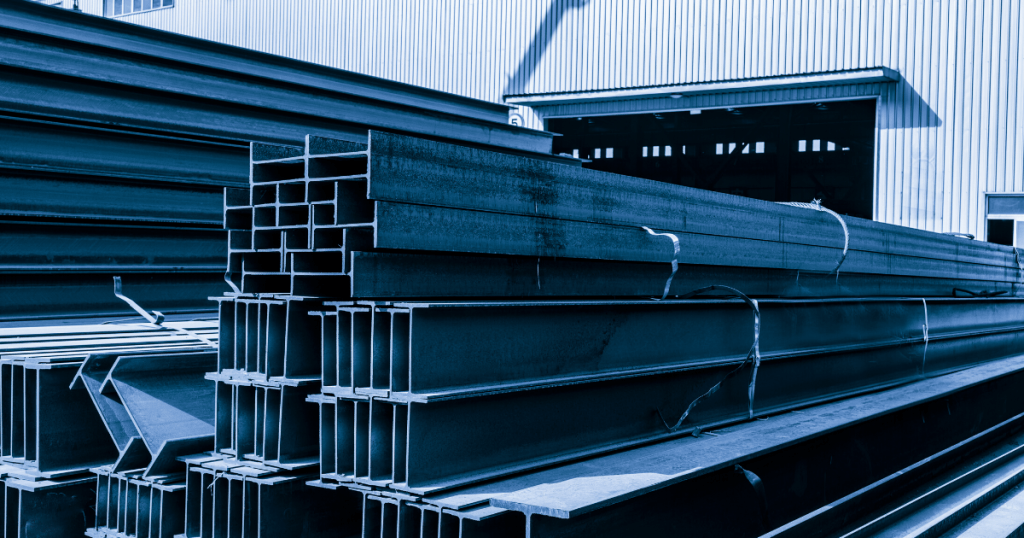
For countless years, wood has reigned supreme as the material of choice for constructing homes and various structures. Its abundant availability, renewable nature, and ease of use have made it a popular option. However, with the advancement of modern manufacturing capabilities and concerns over depleting non-protected wood sources, a new trend is emerging in both residential and commercial construction.
Presently, steel is swiftly overtaking wood as the preferred building material for numerous large construction contractors. When appropriately treated, steel surpasses wood in terms of durability. It is not significantly heavier than favored wood varieties like oak, and it doesn't necessitate the depletion of our forests for construction purposes.
In 2002, the U.S. Department of Housing conducted a study that involved constructing a steel-framed home alongside a home built using traditional wood materials. Initially, the steel building cost 14% more to construct than the wood home. However, over the ensuing years, the ownership and maintenance costs of the steel-based structure were significantly lower.
Since then, manufacturing processes have advanced to the extent that the cost gap between steel and wood construction has narrowed, establishing steel as the unequivocal superior choice for every stage in a home's lifespan.
Naturally, steel demonstrates greater resistance to natural disasters such as fires, floods, hurricanes, and earthquakes. It is impervious to the destructive effects of mold and the dreaded termite menace that causes millions of dollars in real estate damage annually. Although steel does contribute to the weight burden that material haulers and builders must contend with, this weight differential can be easily offset by long-term savings.
Moreover, steel construction poses little to no threat to the environment, as there is no need to fell trees and deplete forests to support it.
For all these compelling reasons, steel is rapidly emerging as the preferred building material for numerous development organizations.